



A guide to Jazz bars, clubs, cafes and shops in the Tokyo and Yokohama city areas. Also home to the OK Jazz Podcast, playing World, Jazz, Soul and more, with info of events and gigs around town.


TJS BLOG

362 Jazz Spots Visited & Counting..
362 and counting, with still more to visit....!
It's been another good year so far in 2025, with evermore jazz joints scouted, visited and now...



LATEST PODCASTS

OK Jazz Episode # 198 – The BLUES!
John Lee Hooker - ‘Moanin’, album The Hot Spot Soundtrack
Larry Davis - ‘Texas Flood’, album Blues Masters Vol. 6 - Blues Originals
Otis Rush -...
OK Jazz Episode #197 – 2026 HOT Summer Special!
Radio Tarifa - ‘Jota Bereber’, album Fiebre! (Spain)
Ibrahim Maalouf - ‘Las Trompetas De Nael’, album Trumpets Of Michel-Ange, Vol.2’ (France)
Salin - ‘Si Chomphu’, album...

OK Jazz Episode #196
Rico & The Rudies - ‘Hey Jude’, album Mellow Dubmarine - A Reggae Tribute To The Beatles (Jamaica)
Ibrahim Maalouf & Gonzalo Rubalcaba - ‘Oui,...
STAY CONNECTED
LATEST JAZZ SPOTS
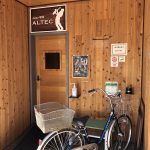
3 Chome-10-4 Nishi-Arai, Adachi City, Tokyo, Japan
03-3840-483203-3840-4832
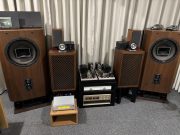
Altec (officially Jazz 喫茶 Altec) is a wonderful jazz cafe in distant Adachi Ward, north Tokyo, ...
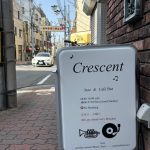
1 Chome-19-30 Gakuen Nishimachi, Kodaira, Tokyo 187-0045
Opened in early 2020 (right before the long COVID shut down in Japan) Crescent is a spot that cou...

Zushi, Kanagawa, Japan
Located in the coastal beach town of Zushi, Sidewinder is a wonderful little jazz kissa that̵...

Kanamechō, Toshima City, Tokyo, Japan
A lovely recent addition to the jazz bar scene in Tokyo (with the perfect slogan (Music Starting ...